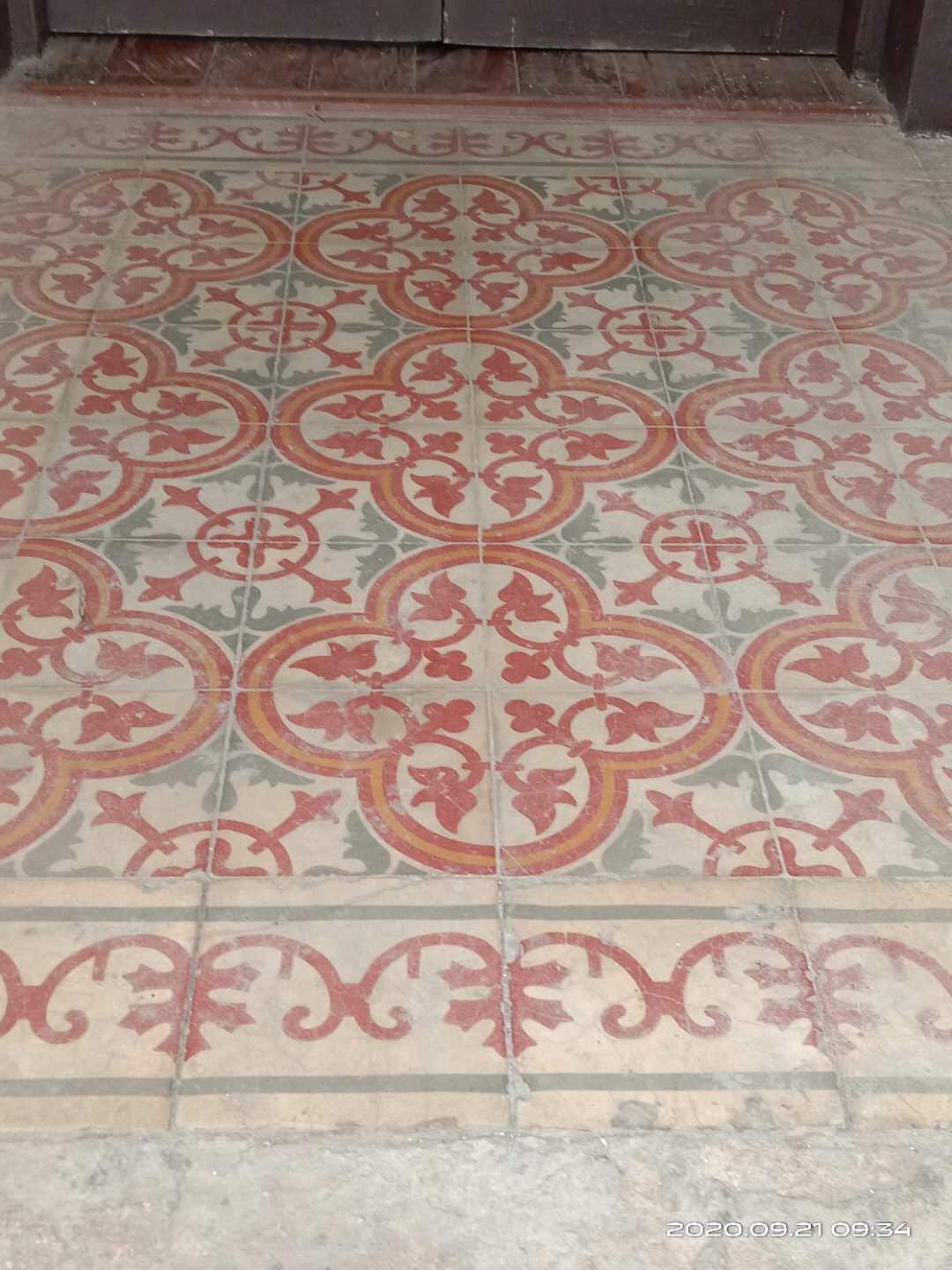
 1056 Yangshupu Road
Shanghai
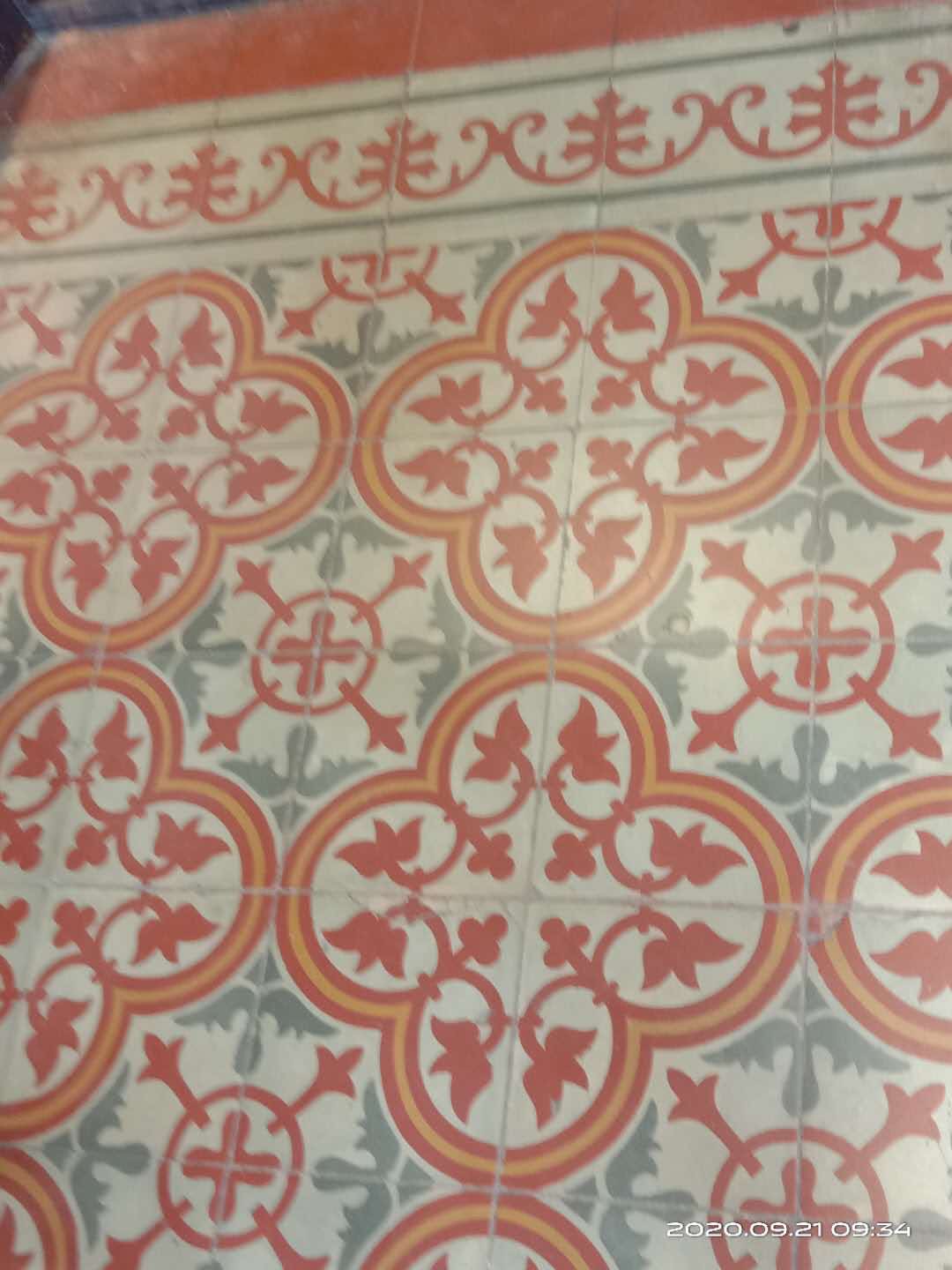
QX #109 or #159: the tiles are identical to my childhood home.
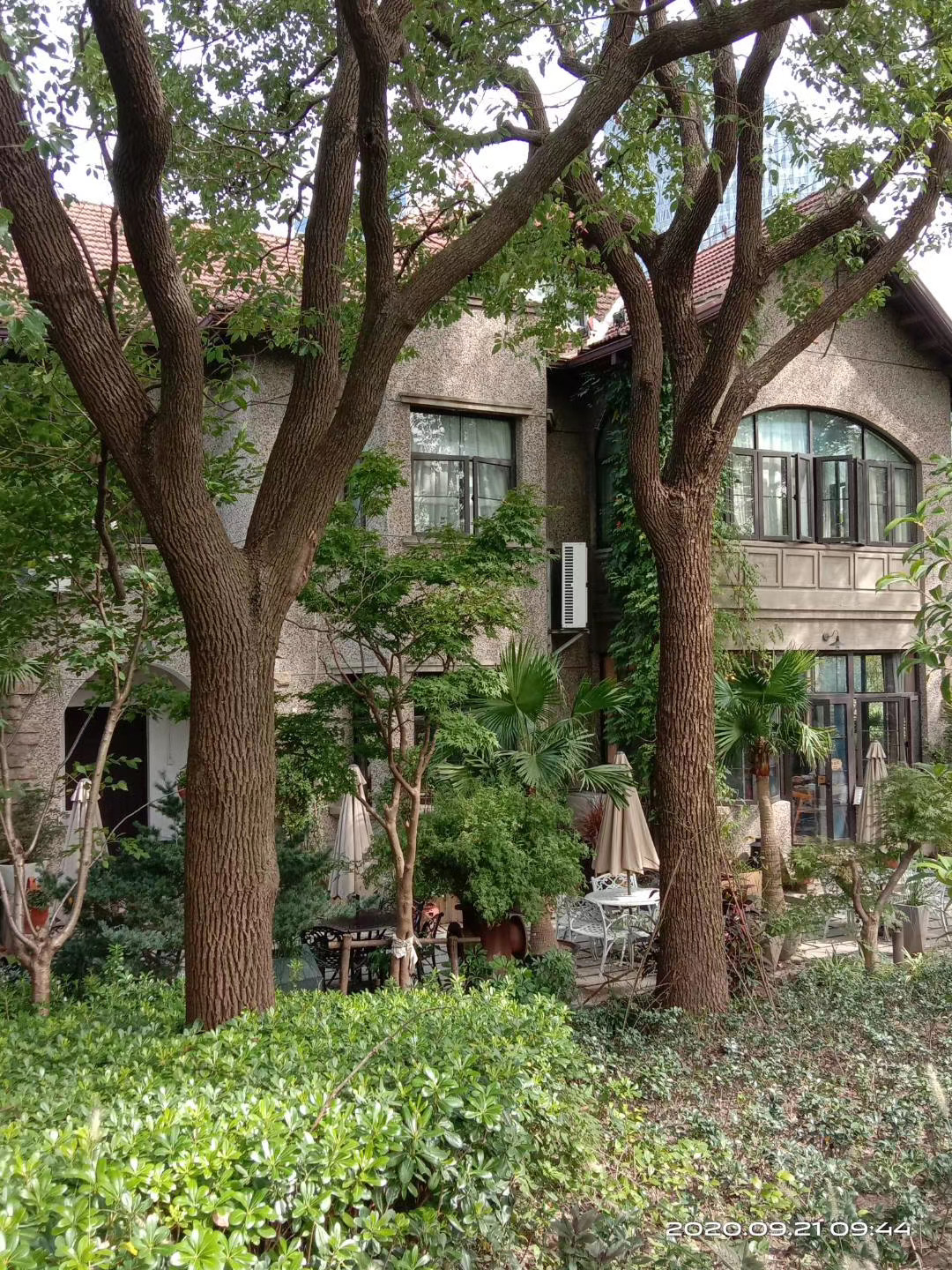
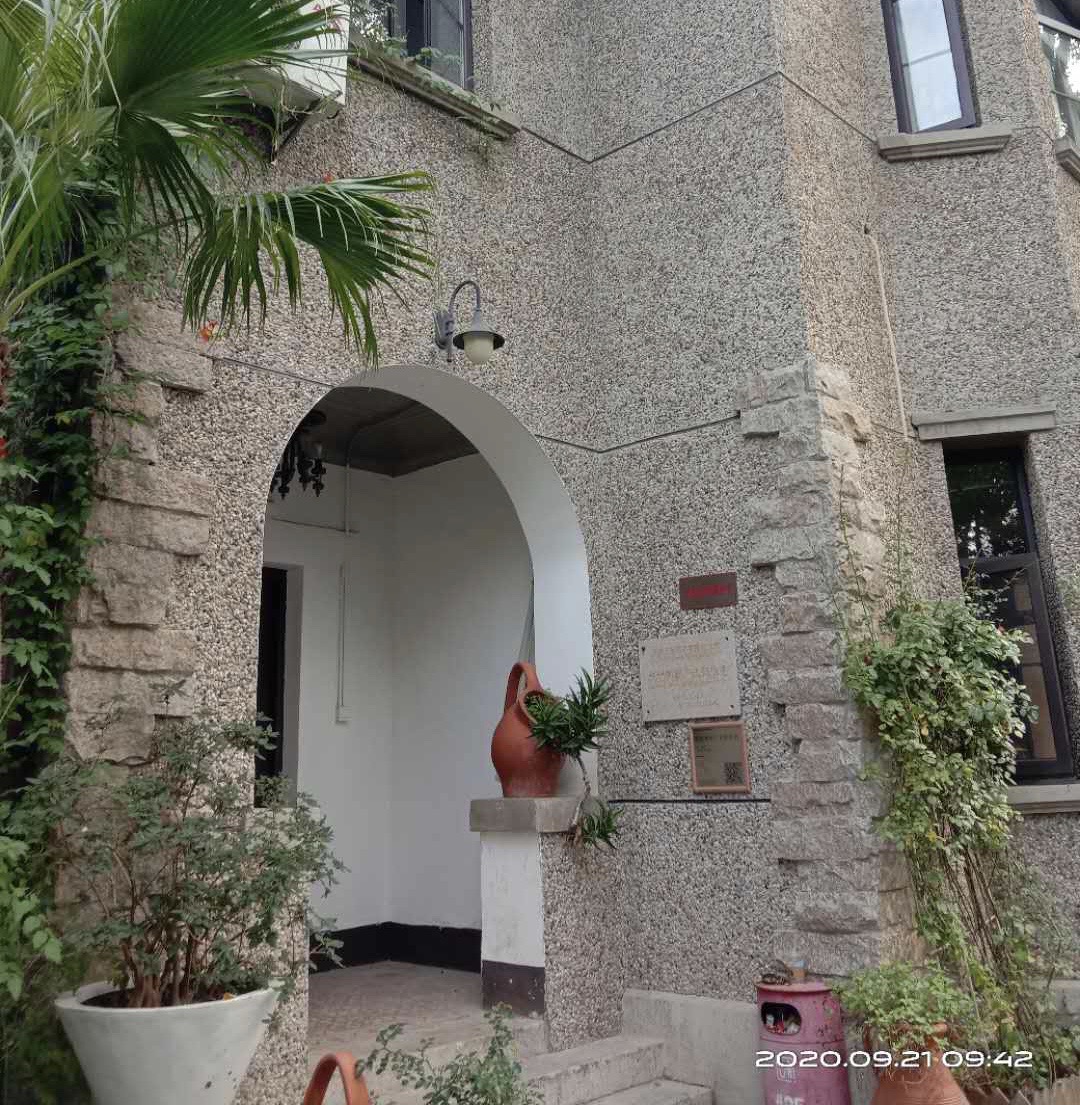
These Chee Hsin tiles are seen at the front porch at the villa, Taipan’s residence of former Yangshupu Cotton Mill’s taipan. This Shanghai textile factory was part of Jardine’s vast empire. Now, it’s a coffee house. All photos are from Feng Guoyin 冯国鄞.
The Jardine Cotton Mill was the first foreign mill found in Shanghai in 1896 at 670 Yangshupu Road. This location was merged in 1915, and the house the chief was built in 1918. In 2009, to make way for the Oriental Fisherman’s Wharf, all was demolished, except the Daban House, now a coffee bar.
1915年, 华商绞花局被英商收购,改称杨树浦纱厂. 1921年, 改属怡和纱厂股份有限公司,简称“新怡和”. 建于1918年的杨树浦纱𠂆大班住宅是唯一留下的建筑. 杨树浦纱厂以及后来新怡和纱厂的所有建筑都已拆, 变成了现在的东方渔人码头.
Here’s the timeline:
- 1843–1845 – Jardine Matheson opens one of the first foreign firms in newly opened Shanghai after the Treaty of Nanking.
- 1860s–1880s – Jardines expands into shipping, insurance, banking, real estate, and cotton trading.
- 1896 – Jardine establishes the Yangshupu Cotton Mill (英商杨树浦纱厂 / Jardine Cotton Mill) at 670 Yangshupu Road.
- 1915–1921 – Ownership reorganized into Ewo Cotton Mills (怡和纱厂股份有限公司).
- 1918 – The taipan’s residence (大班住宅, Daban House) is built.
- 2009 – Most of the mill complex is demolished for Oriental Fisherman’s Wharf, with only the Daban House surviving.
So what remains today is the manager’s villa, not the nineteenth-century merchant office.
Be First to Comment